Your Essential Whale Watching Tour Checklist
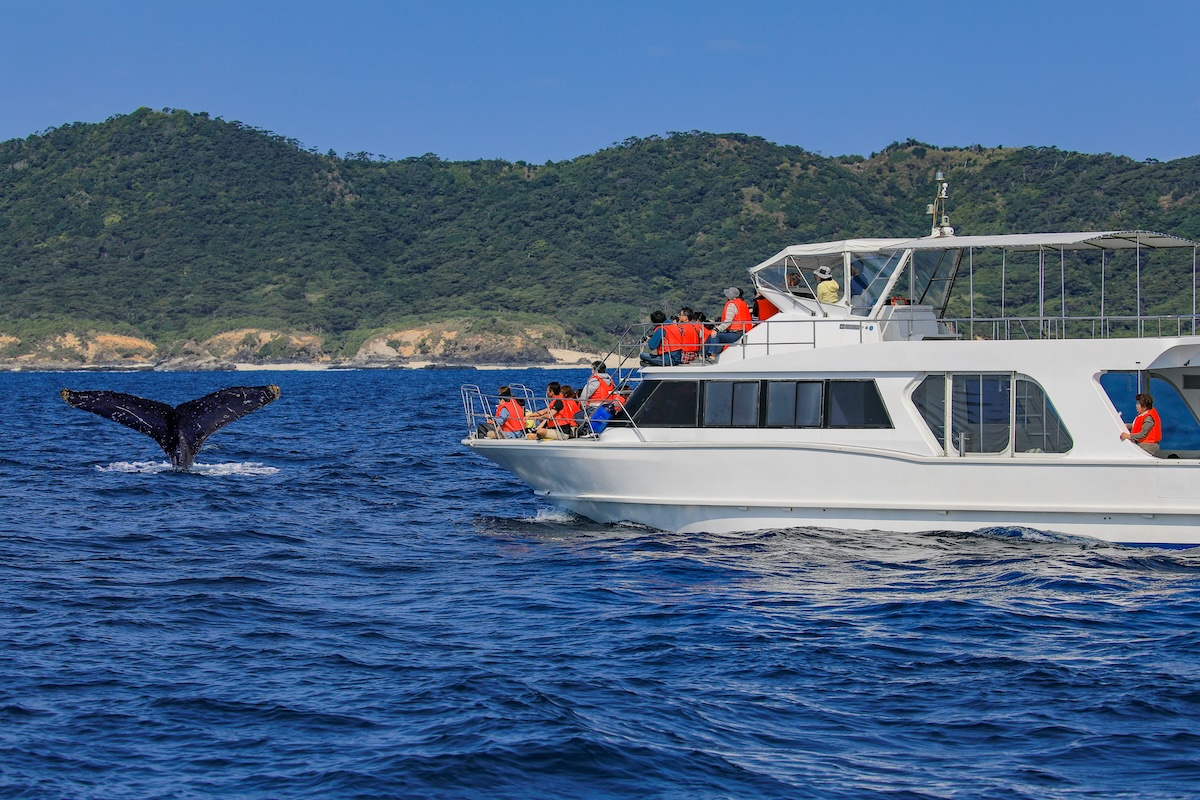
Proper preparation is key to making the most of any whale watching tour. Whether you’re exploring tropical waters under a blazing sun or the brisk seas of cooler climates, having the right gear and strategy ensures you’re ready to fully experience these awe-inspiring marine encounters. In this article, we’ll explore how to best prepare for a memorable meeting with these magnificent creatures.
1. Understanding the Environment and Species
Tropical vs. Cooler Climates
Destinations like the Tahitian islands or Fiji can be hot and humid, with brilliant sunshine that demands sun protection and lightweight clothing. If you’re joining a tour in places like Tasmania or the southern coastline of Australia, conditions might be more variable—mornings can start cold and grey, while midday sun can be strong. Packing layers is crucial in cooler regions, especially if you’ll be out on the water for several hours.
Species Spotlight
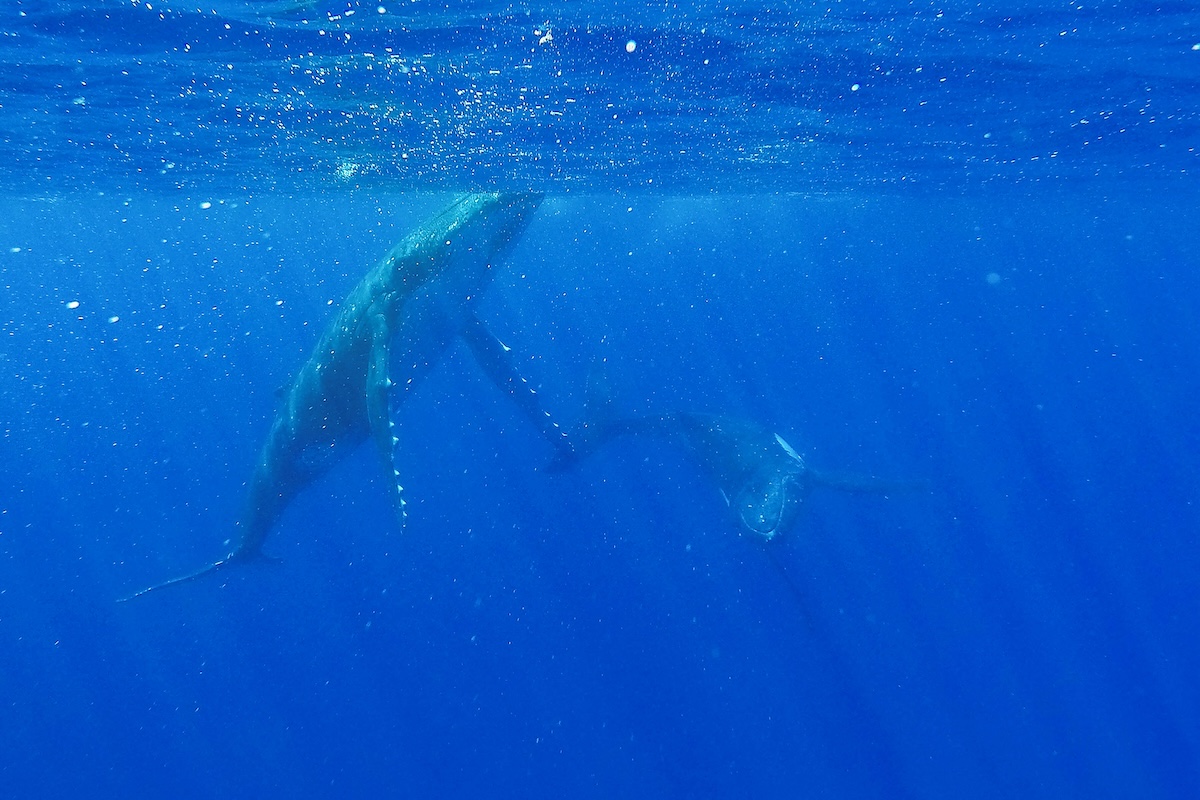
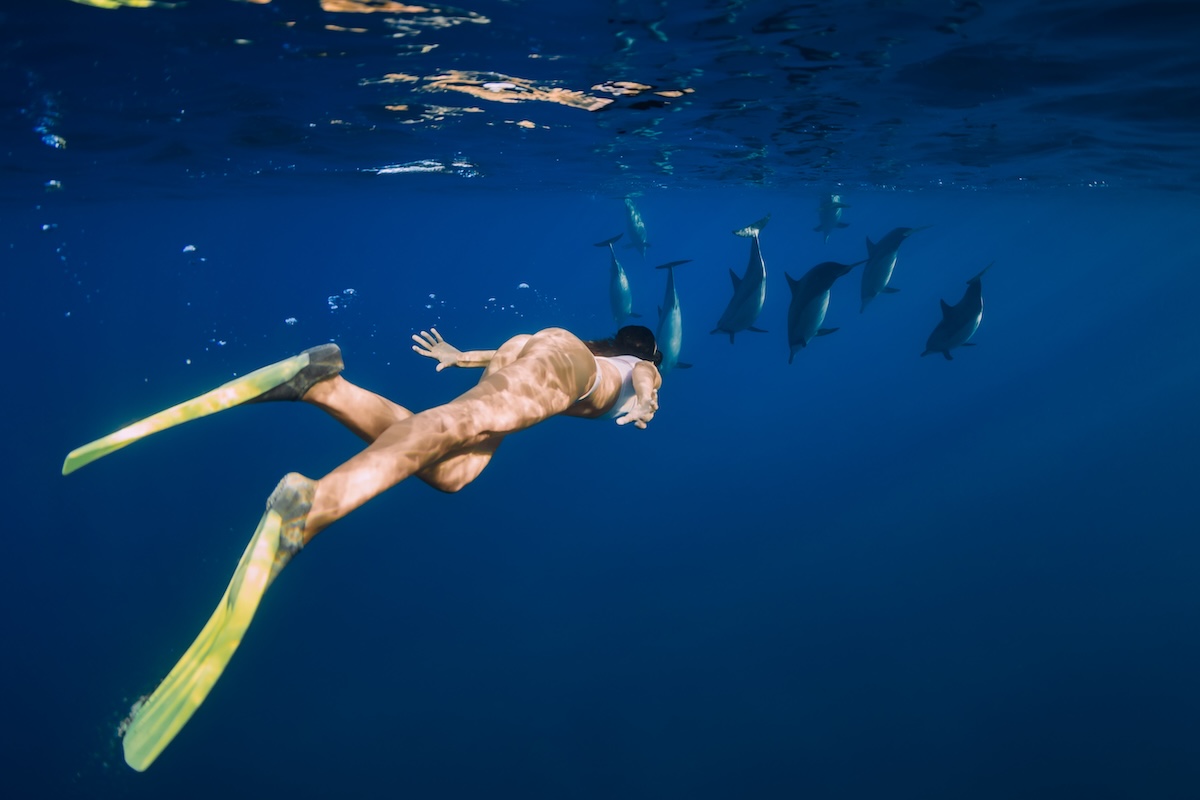
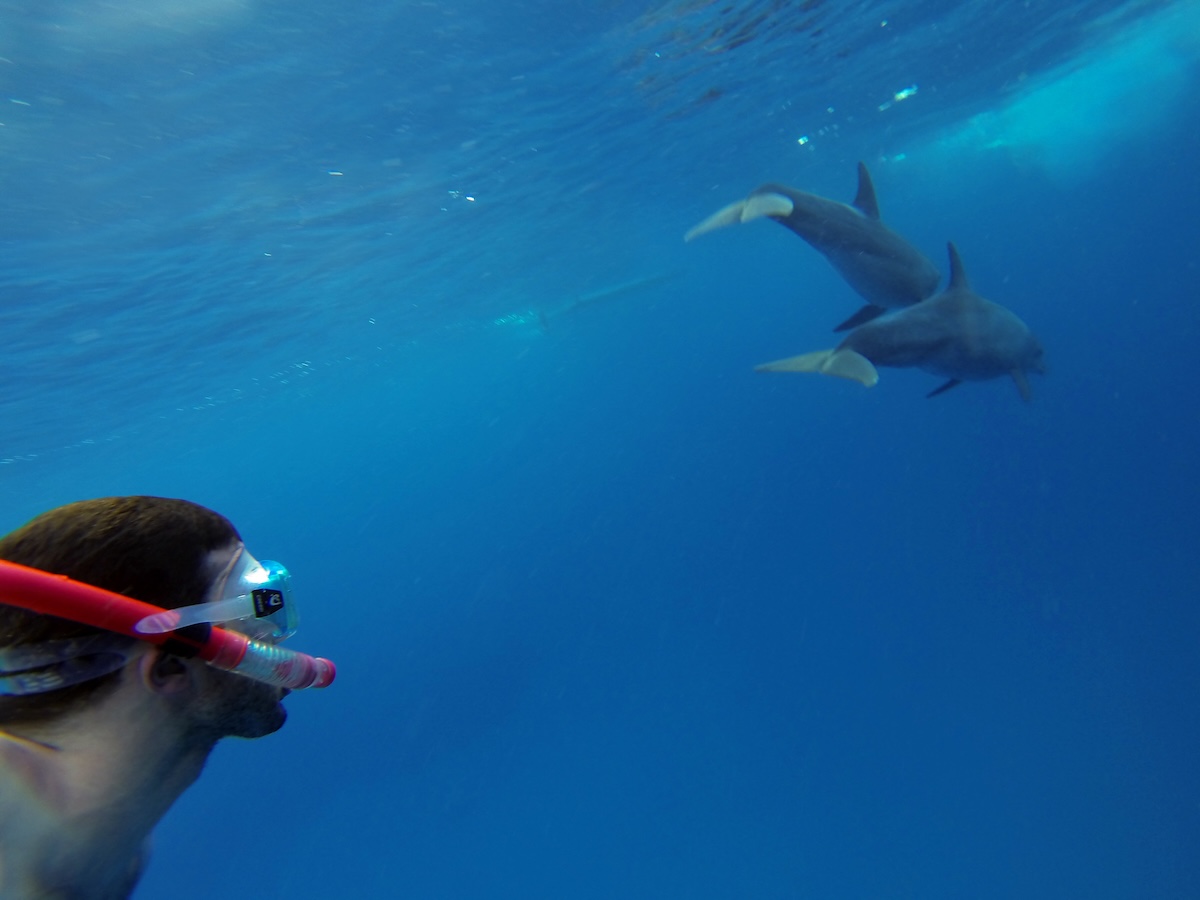
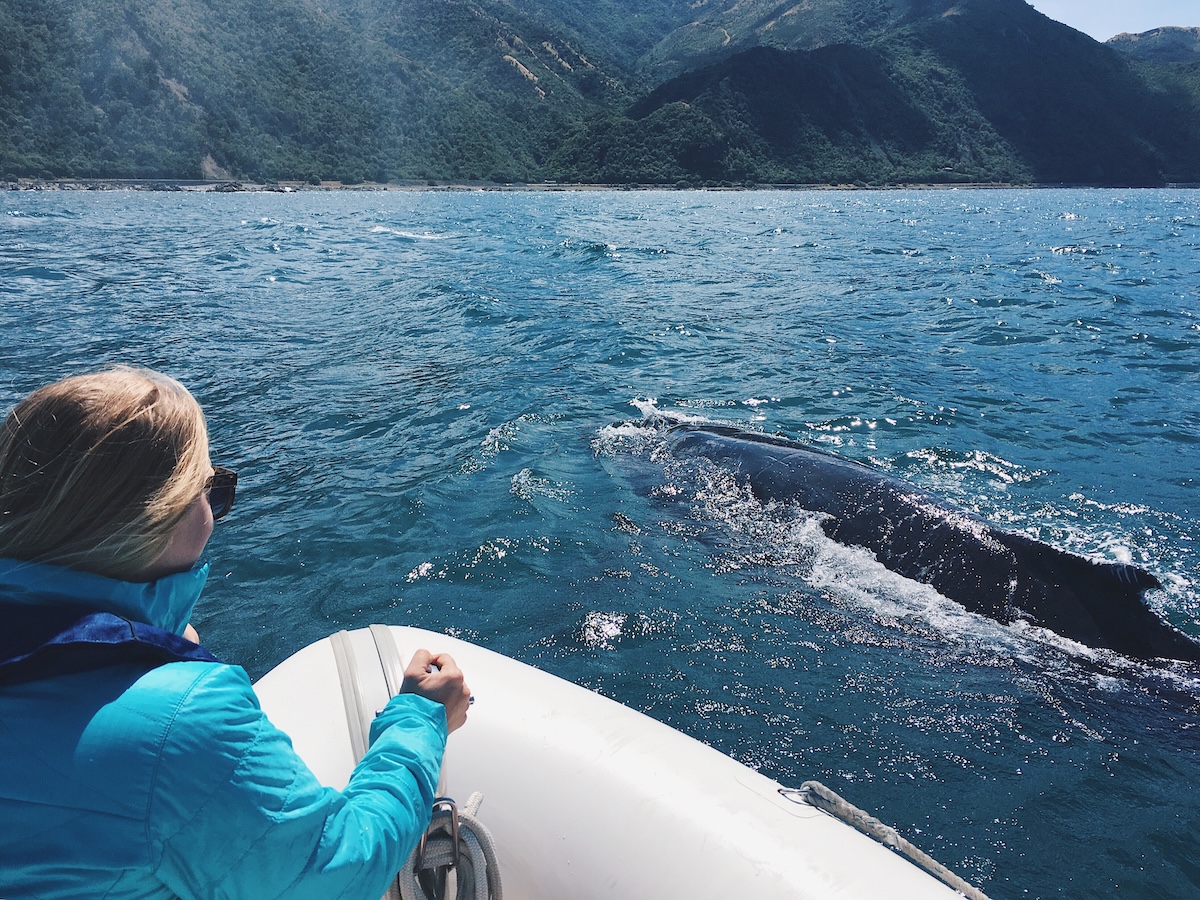
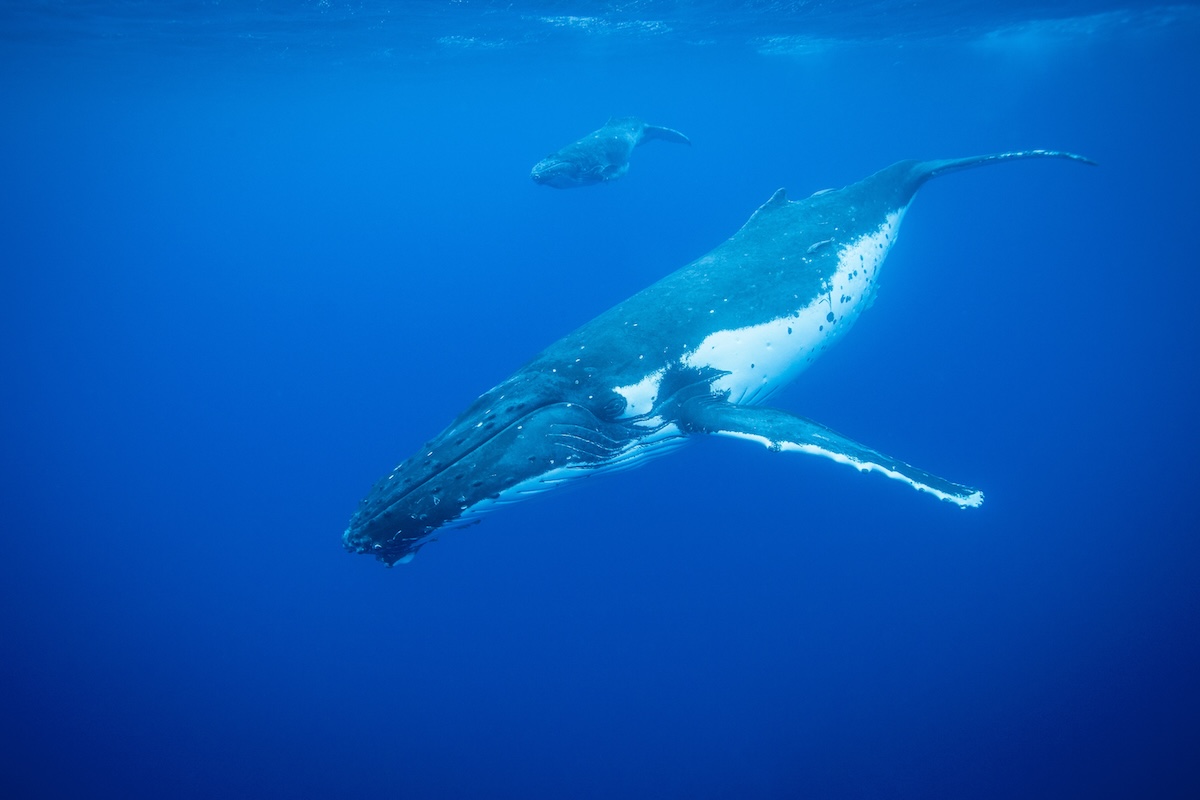
The species you’re hoping to spot can also influence what you bring. For instance, if you’re heading to Tonga for the humpback whales’ annual migration, you might want to pack snorkeling gear if the tour includes a possibility of getting in the water (always under supervision, of course). In colder waters where orcas or minke whales frequent, you’ll likely stay on the boat, but you may need more insulated clothing.
2. Clothing and Accessories
Dress in Layers
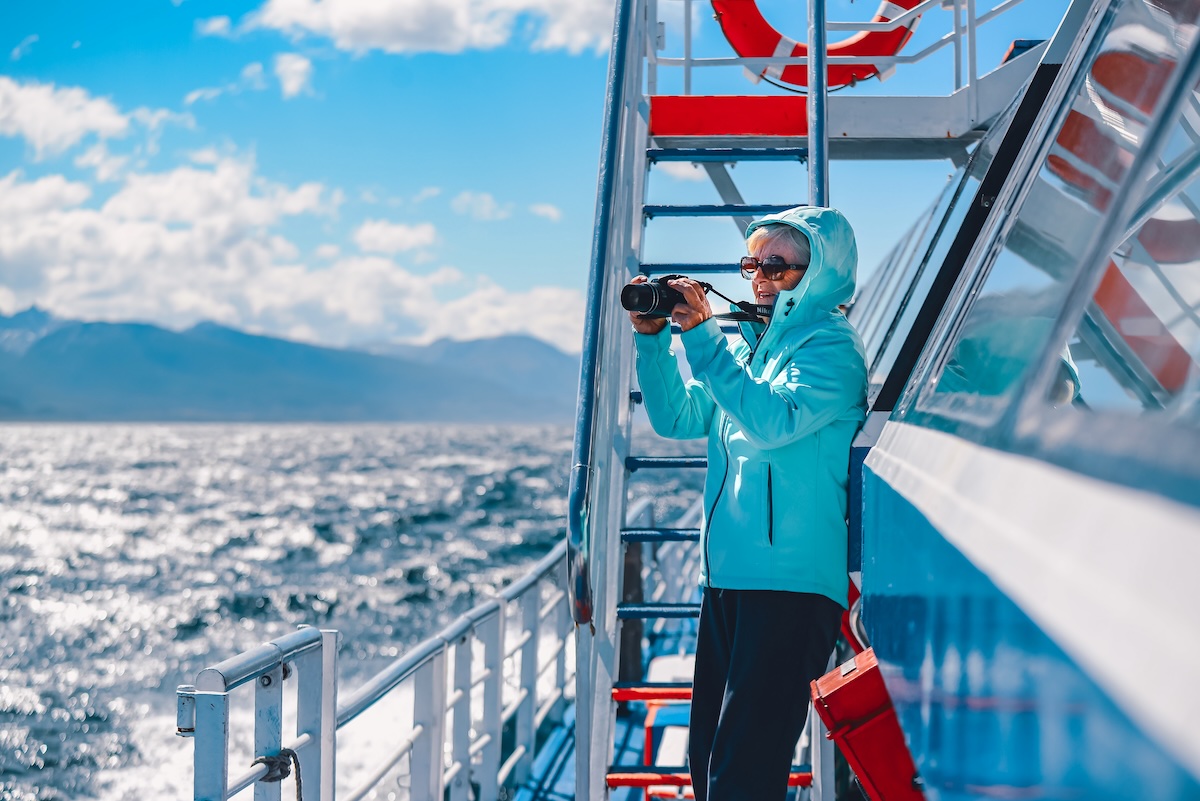
You never know how the weather might change during the day, especially on the ocean. A brisk morning sea breeze can quickly give way to radiant sunshine, only for cloud cover to roll in by the afternoon. Start with a light base layer that wicks moisture (like a breathable t-shirt), add a warmer mid-layer (like a thin sweatshirt or fleece), and top it off with a waterproof jacket. Even in tropical areas, having a light rain jacket or windbreaker can make a big difference when passing through a surprise rain squall.
Sun Protection
Regardless of how cool it might feel on deck, the sun’s reflection off the water can be intense. Sunscreen with a high SPF, sunglasses with UV protection, and a wide-brimmed hat or cap help shield you from harmful rays. We’ve seen too many people finish their tour with glowing red shoulders because they underestimated the power of the sun at sea!
Footwear
Decks can get wet and slippery, so wear shoes with good traction. Closed-toe sandals or comfortable sneakers often work best. If you’re heading to a colder climate, opt for waterproof boots or at least water-resistant shoes that can keep your feet dry.
3. Camera Gear and Binoculars
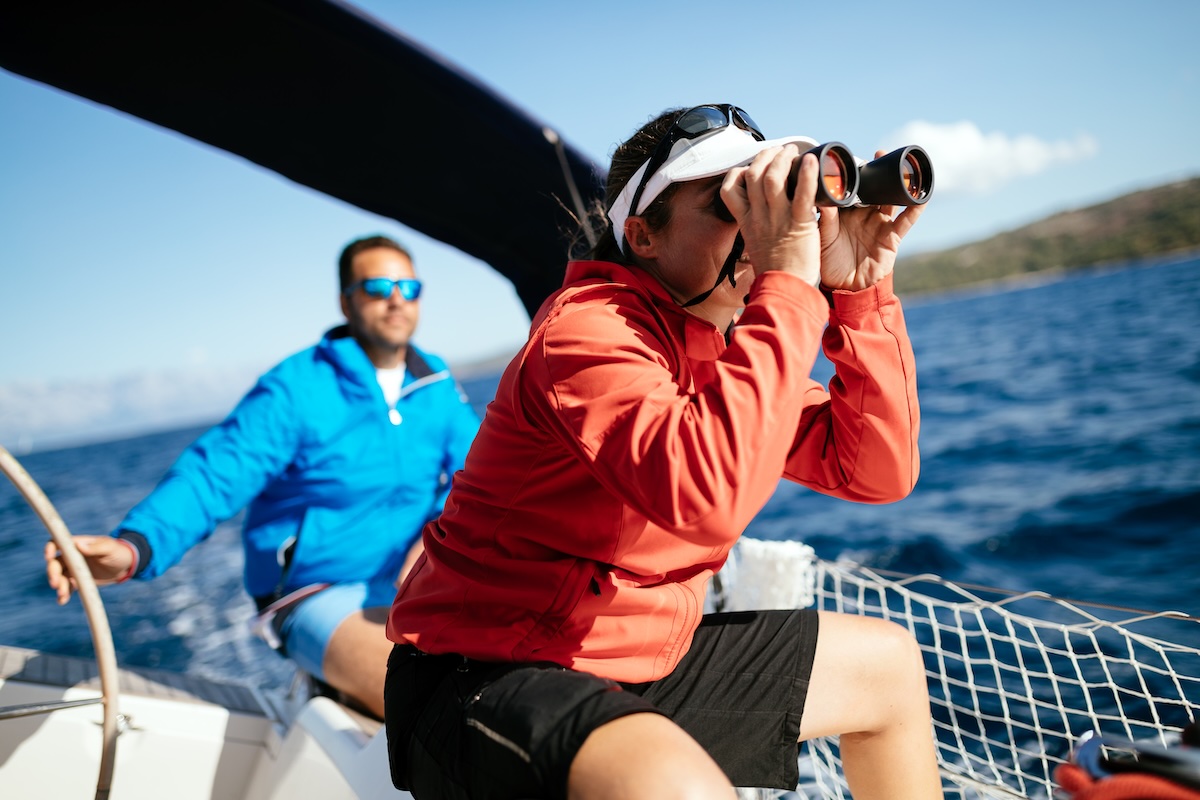
No one wants to witness a breaching humpback whale, only to miss capturing the moment because they’re fumbling with their camera settings. Whether you’re a professional photographer or simply want crisp holiday snaps, it pays to be prepared.
Camera Essentials
- DSLR or Mirrorless: If you’re keen on high-quality shots, bring a camera with a decent zoom lens (around 70-300mm).
- Water Protection: Saltwater spray can be damaging, so a waterproof camera bag or sealed plastic bag is a must.
- Extra Batteries and Memory: Cold temperatures drain batteries faster, and you might take far more photos than you realize. Bring spares.
Binoculars
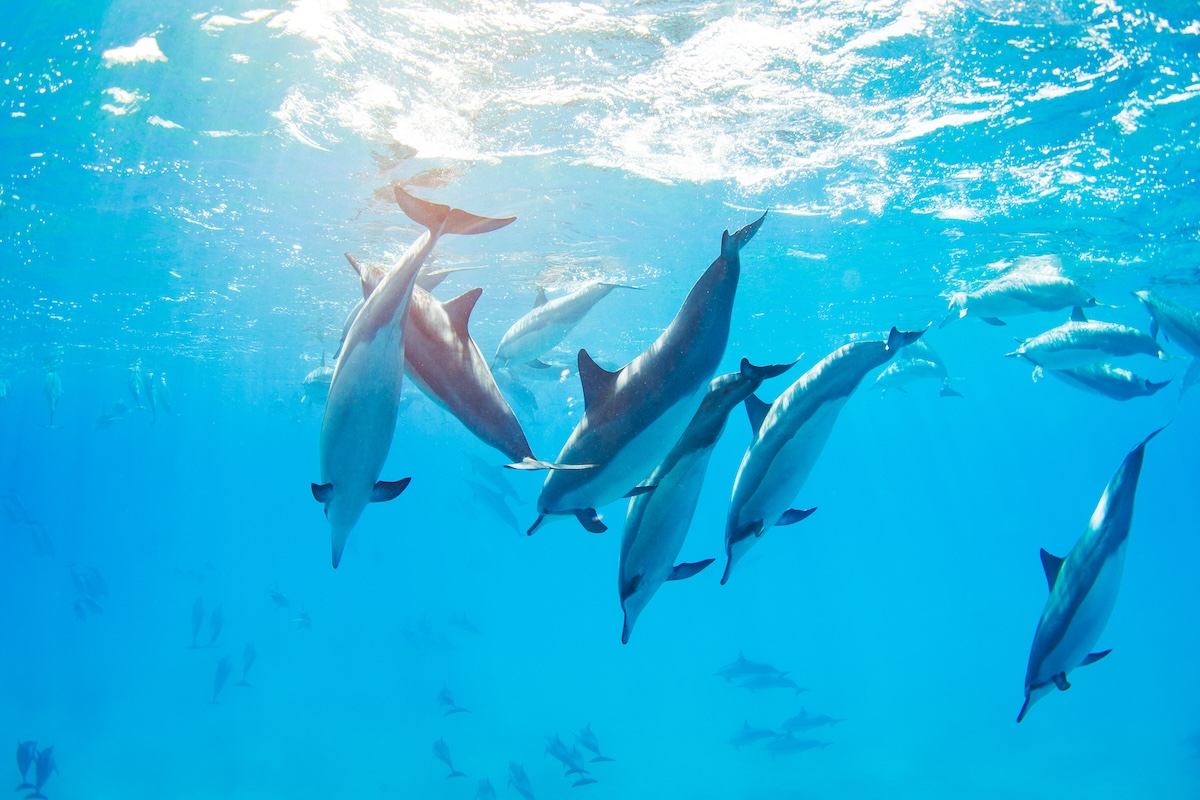
They can be a game-changer if the whales are sighted a bit farther from the boat. You might also want to keep an eye on seabirds or dolphins. Compact, waterproof binoculars are ideal; they’re easy to carry, and you won’t panic if they get splashed.
4. Seasickness Prevention
Seasickness can strike even the hardiest of travelers, especially if conditions get choppy. It’s always better to prepare in advance rather than suffer through hours of queasiness.
- Medication: Over-the-counter remedies like Dramamine or natural options such as ginger candy can help. However, consult your doctor if you’re unsure which product is right for you.
- Stay Hydrated and Fed: An empty stomach can worsen nausea, so have a light meal before you head out. Avoid excessive coffee or alcohol.
- Fresh Air and Focus: Keep your eyes on the horizon or a stable point in the distance. Sometimes, staying above deck in the open air is the best remedy for mild motion sickness.
5. Respecting Marine Wildlife and Local Regulations
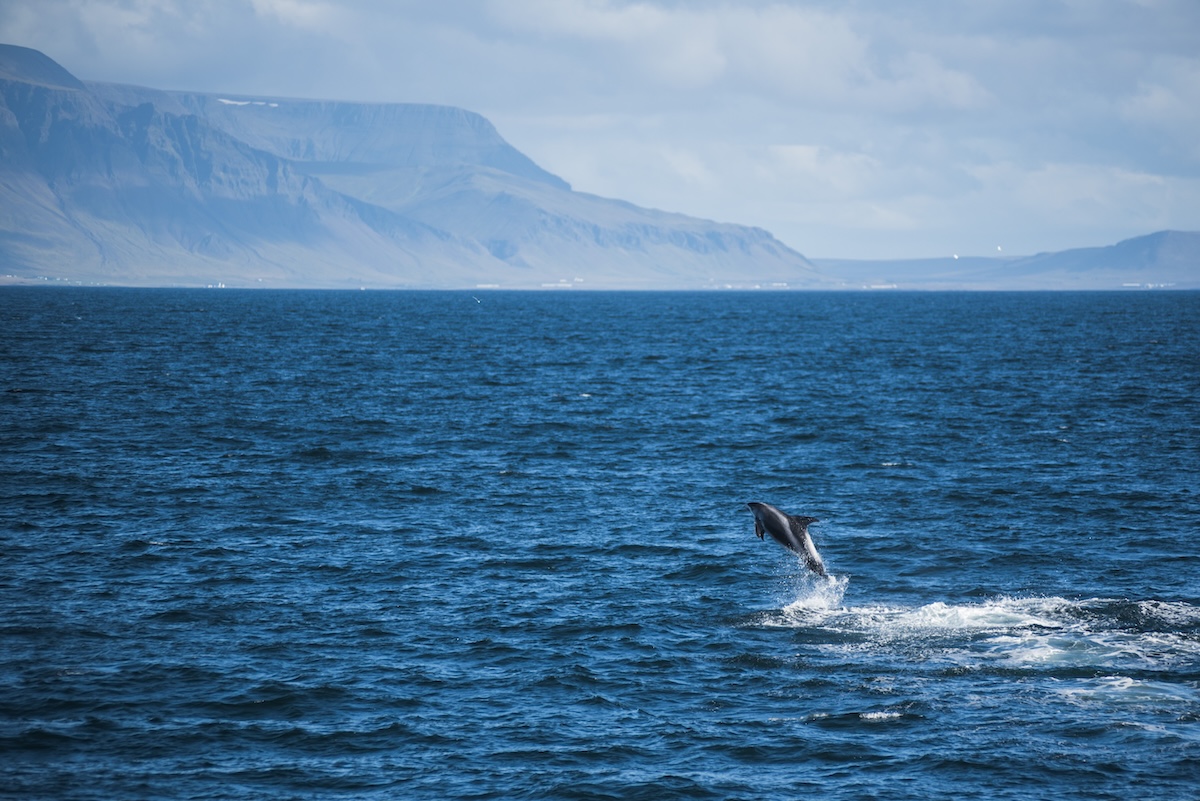
At Whale Watching Paradise, we’re committed to responsible tourism and the welfare of the whales. Different regions have varying guidelines on how close you can get to these animals or whether you’re allowed to enter the water with them. Always adhere to your guide’s instructions—it’s not just for your safety, but for the whales’ well-being too.
No Feeding or Touching
It may seem obvious, but you’d be surprised how many people try to toss food or reach out to touch a whale if it comes close. These actions can be harmful to the animals and are often illegal.
Photography Etiquette
When snapping pictures, remember you’re in a shared space. Avoid shoving your camera in front of someone else’s view. Take a few shots, then let others have a turn at the prime vantage point. Courtesy goes a long way toward making everyone’s tour enjoyable.
6. Other Practical Items
- Reusable Water Bottle: Staying hydrated is key, especially under the hot sun. Opt for a reusable bottle to reduce plastic waste.
- Snacks: High-energy, non-perishable snacks such as nuts, protein bars, or dried fruit can keep your energy up.
- Towels and Dry Bag: Even if you’re not planning to swim, you might get sprayed. A small towel to wipe off saltwater and a dry bag for valuables can be a lifesaver.
7. Pre-Tour Preparation
Know the Forecast
Check the weather a day or two before your trip. If strong winds or storms are predicted, some tours may reschedule. The more you know, the better you can decide on final packing details.
Charge Your Devices
It’s easy to lose track of time the night before, but make sure you fully charge your phone, camera, and any other gear. You don’t want to run out of battery just as an inquisitive whale swims up to your boat.
Arrive Early
Arriving at the dock in a calm, relaxed state sets the tone for the day. It gives you time to find parking, grab a coffee, meet your guide, and pick the best spot on the boat.
8. Embracing the Unexpected
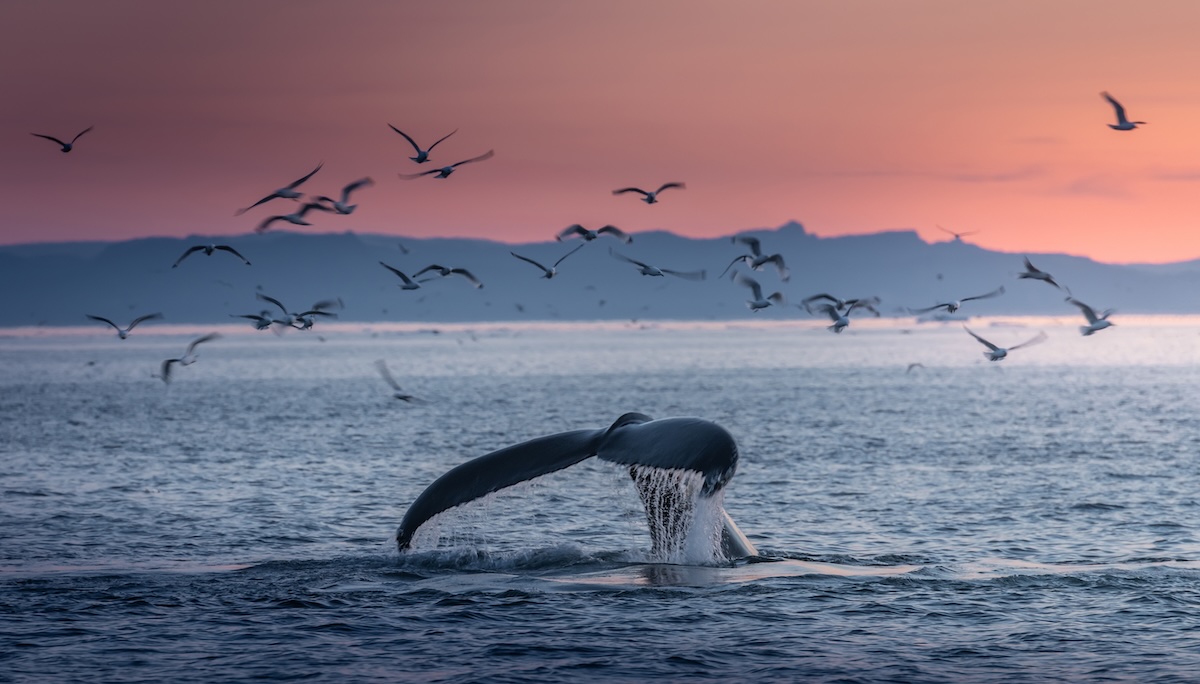
Ultimately, whales are wild creatures. A tour might yield a dozen breathtaking sightings, or you might have a trip where these majestic beings remain elusive. That’s part of the magic of wildlife encounters. Each tour is a unique experience governed by nature, not a scripted show. Embrace the unpredictability, and you’ll walk away with a deeper appreciation of the ocean’s wonders—whale sightings or not.
Feel free to share any personal tips and to contact us if you have any questions. Our team is always delighted to help fellow ocean lovers make the most of their adventures. After all, that’s why we do what we do—there’s nothing we love more than connecting people with the incredible world of whales and other marine life.
Whether you’re basking in the sunlight of the Polynesian Triangle or breathing in the crisp air of Australian shores, a well-prepared whale watching tour ensures you’ll be in the perfect spot at the perfect time, fully ready to capture those life-changing encounters. Safe travels, and may your next whale watching journey be everything you’ve dreamed of and more!